
Recipe: Miso Roasted Cauliflower

Miso Roasted Cauliflower is a Powerhouse of Nutrition and Flavour This delicious cauliflower recipe is a real flavour treat; let’s explore why cauliflower deserves a prime spot on your dinner table. This spring vegetable is far more than just a low-carb alternative – it’s a nutritional powerhouse that supports your overall health and wellbeing, including your oral health. There are many hidden benefits of this humble vegetable. Key Health Benefits of Cauliflower Cauliflower contains sulforaphane: a sulfur compound that has been shown to kill cancer stem cells – particularly effective when combined with turmeric. Cardiovascular Support: Helps improve blood pressure through enhanced DNA methylation Immune System Boost: One serving provides 77% of your daily vitamin C needs Natural Detoxification: Supports both phase 1 and phase 2 detox pathways Dental Health: The high vitamin C content supports healthy gums and overall oral health The Miso Cauliflower Recipe Preparation Time: 15 minutes Cooking Time: 1 hour Serves: 4-6 Ingredients For the Main Dish: 1 whole cauliflower 2 tablespoons olive oil 1 small bunch leafy greens (kale, spinach, or chard) 3 spring onions, finely chopped 1 cup fresh coriander, roughly chopped For the Miso Butter Sauce: 2 tablespoons grass-fed butter 1 tablespoon miso paste 1 teaspoon sesame oil 1 tablespoon tamari Method Prepare: Preheat your oven to 200°C. Clean the cauliflower and remove tough outer leaves. Roast: Place cauliflower in a baking dish Drizzle with olive oil, ensuring even coverage Roast for approximately 1 hour until tender (test with a knife) 1 Add Greens: Remove from oven Scatter chopped greens around the base Drizzle with sesame oil and tamari Cover with lid and return to the warm (turned off) oven 1 Make Miso Butter: Melt butter in a small pan over low heat Whisk in miso paste until smooth Pour over the cauliflower 1 Finish: Garnish with spring onions and fresh coriander Creative Variations for Flavourful Cooking Transform this versatile dish with these flavour combinations: Mediterranean: Mustard and parmesan Sweet and Savoury: Caramelised onions and thyme Middle Eastern: Za’atar spice blend with tahini drizzle Storage Tips Leftovers can be stored in an airtight container in the refrigerator for up to 3 days. They can be reheated in a preheated oven at 180°C for 10-15 minutes. Nutritionist’s Note Avoid overcooking this vegetable for maximum nutrition benefits. The slight crunch preserves more nutrients and provides a natural cleaning action for your teeth—nature’s toothbrush! This recipe aligns with our holistic approach to health at Sydney Holistic Dental Centre, supporting your oral health and overall wellbeing through nutritious, whole-food ingredients. #HolisticHealth #HealthyRecipe #OralHealth #NutritiousFood #WellnessJourney #HolisticDentistry #HealthyEating Research and References 1. Cauliflower and Cardiovascular Health Blood Pressure Management: A randomized controlled trial (VESSEL study) found that increased intake of cruciferous vegetables, including cauliflower, reduced systolic blood pressure by 2.5 mmHg, suggesting its role in improving cardiovascular health.Reference: VESSEL Study on Cruciferous Vegetables and Blood Pressure Antioxidant Properties: Cauliflower contains glucosinolates with antioxidant and anti-inflammatory effects, potentially reducing oxidative stress and inflammation linked to heart disease.Reference: Antioxidant Properties of Cruciferous Vegetables 2. Cauliflower and Diabetes Management Glycemic Control: Cruciferous vegetables like cauliflower, with their high fibre content and low glycemic index, help regulate blood sugar levels, making them beneficial for diabetes management.Reference: Glycemic Control and Cruciferous Vegetables Anti-Inflammatory Effects: Cauliflower’s polyphenols and glucosinolates may reduce insulin resistance and inflammation, key factors in type 2 diabetes development.Reference: Anti-Inflammatory Effects of Cauliflower
The Mouth-Body Connection

The Mouth-Body Connection – Why Your Smile Matters More Than You Think Your mouth is more than just a confident smile – it’s a gateway to your overall health. Every time you brush and floss, you’re not just keeping your teeth clean; you’re protecting your whole body. Recent groundbreaking research has revealed just how deep this connection goes, and the findings might surprise you. Bacterial BalanceRegular brushing and flossing help maintain healthy oral bacteria levels, directly impacting your overall health. Professional ProtectionProfessional dental cleans and check-ups help control harmful bacteria affecting your whole body’s wellness. Health ConnectionScientists found that 13 specific types of mouth bacteria can significantly influence your body’s health outcomes. Daily PreventionGood oral hygiene habits, including twice-daily brushing and daily flossing, help protect both oral and overall health. The Power of a Healthy Mouth Think of your mouth as your body’s first line of defence. The simple acts of brushing and flossing do more than freshen your breath and prevent cavities – they help maintain a balanced community of oral bacteria that supports your overall wellbeing. The Mouth-Body Connection Works Both Ways: A healthy mouth = a stronger immune system Good oral hygiene = better overall health Regular dental care = early detection of health issues Professional cleaning = balanced oral bacteria Oral Bacteria– A Key To Health Outcomes The research team studied over 159,000 people and found: 13 specific types of oral bacteria affect health outcomes The wrong mix of bacteria can increase health risks by up to 50% Regular dental care helps maintain a healthy bacterial balance Good oral hygiene reduces harmful bacteria “At Sydney Holistic Dental Centre, we examine much more than just teeth and gums. In every new patient consultation, we want to know your health really, really well. We look for signs in your mouth that might indicate broader health concerns. By thoroughly assessing your oral health, including gum health, bacterial balance, and signs of inflammation, we can often spot early warning signs of systemic health issues. This is why we take such a comprehensive approach to every examination – your mouth truly is a window to your overall wellbeing.” Dr Lewis Ehrlich Simple Steps for Good Oral Hygiene Protect your health with these daily habits: Brush thoroughly twice daily Clean between teeth with floss or interdental brushes Visit your dentist regularly for check-ups Get professional dental cleanings Address any gum problems promptly Why Your Dental Routine Matters Your daily oral care routine: Removes harmful bacteria Maintains healthy gum tissue Supports your immune system Promotes overall wellness Prevents inflammation throughout your body Taking Action for Long-Term Oral Health Want to optimise your oral and overall health? Here’s what you can do: Schedule a comprehensive dental check-up Ask about personalised oral hygiene recommendations Ensure you have regular professional cleans Learn proper brushing and flossing techniques Get professional advice about your specific needs What This Means for You While the science is complex, the solution is simple: good oral hygiene habits protect more than your smile. You invest in your overall health when you brush, floss, and visit your dentist. At Sydney Holistic Dental Centre, we understand the vital connection between oral health and overall wellness. Our team can help you develop an effective oral care routine that supports your whole body’s health. Book an appointment today to learn how we can help you maintain optimal oral health and support your overall wellbeing. Research References: Science Daily: Bacteria involved in gum disease linked to increased risk of head and neck cancer. https://www.sciencedaily.com/releases/2024/09/240926132115.htm * https://nyulangone.org/news/bacteria-involved-gum-disease-linked-increased-risk-head-neck-cancer Bacteria ‘melts’ head and neck cancer in revolutionary discovery: https://www.kcl.ac.uk/news/bacteria-melts-head-and-neck-cancer-in-revolutionary-discovery
Your Fun & Fresh Summer Wellness Guide – A Holistic Dentist’s Perspective

Clear, simple tips for a healthy, happy summer – inside and out! Rise & Shine with Nature Benefits Vitamin D strengthens teeth and bones Morning light improves sleep cycles Fresh air energises your body Nature reduces stress levels Best Times to Move 6 am-8 am: Perfect for beach walks 7 pm-8 pm: Evening strolls in parks Early mornings: Weekend hikes Check Some of Sydney’s Best Morning Spots Bondi to Bronte walk Centennial Park loop Manly Beach path Royal Botanic Garden and Mrs Macquarie’s Chair. Barangaroo Reserve Sydney Harbour National Park Bicentennial Park, Sydney Olympic Park Your favourite local park Pro Tip: Pack frozen fruit and water for a cool morning drink the night before. Cool Hydration Tips Benefits Healthy saliva prevents cavities Clear thinking Fresh breath Better digestion Easy Drink Ideas Mint-lime water Frozen coconut cubes Watermelon slush Herbal iced tea Pro Tip: Add a small pinch of pink salt to water for natural electrolytes. Sleep Well in Summer Benefits Less teeth grinding Better immune system function Reduced inflammation More energy Simple Steps for Sleeping Well in Summer Keep the bedroom dark and cool Use light cotton sheets Take a lukewarm shower before bed Stop screens one hour before sleep Pro Tip: Freeze a washcloth. One of the most common places people sweat is on their head and face, so keeping this area cool is important. Freeze a washcloth before bed and use it as a cold compress when trying to fall asleep. Why not a cold shower? A warm shower or bath before bed can help lower your core body temperature, aiding in relaxation. Although your body temperature rises in the warm water, it begins to cool down once you step out, making it easier to drift off to sleep. It’s best to keep the water lukewarm rather than hot or cold. Hot showers can raise the temperature in your bathroom and bedroom, potentially disrupting sleep, while cold showers can be stimulating, which may make falling asleep more challenging. Fresh Seasonal Foods Benefits Fresh foods clean teeth naturally Maximum nutrients Better digestion Natural energy Best Summer Foods Crunchy: Cucumber, celery, apples Cooling: Watermelon, stone fruits Protein: Fresh fish, lean meats Dairy: Hard cheese, plain yoghurt Pro Tip: Crunch on an apple to stimulate saliva production. Your 5 Quick Action Steps for a Healthy Summer Fill your water bottle with fresh water and a pinch of salt Book your annual dental check-up Pack healthy, seasonal snacks Plan early morning or early evening walks when the sun is less strong Find and explore local walking trails and tracks Keep Your Smile Bright and Your Teeth Healthy Drink water after swimming in chlorinated pools Rinse your mouth after meals (and alcohol!) Brush twice daily Floss every night Visit your SHDC dentist for regular check-ups and hygiene appointments Ready for a healthy summer? Book your check-up today: (02) 8188 3718 #SydneySmiles #SummerHealth #HolisticDentistry #HealthyTeeth References and Further Reading Mayo Clinic Health System. (n.d.). Expressing gratitude to improve health. American Council on Exercise. (n.d.). Three Reasons Why Physical Activity Should Be a Family Routine. https://www.cdc.gov/sleep/about_sleep/sleep_hygiene.html Mayo Clinic. (n.d.). How to Stay Hydrated Over the Summer National Center for Biotechnology Information. (n.d.). Systemic antioxidants and skin health. Benefits of Mint-Lime Water https://www.medicalnewstoday.com/articles/322556
Recipe: Choc Beetroot Brownies

Refined Sugar-Free, Dairy-Free, Gluten-Free With the festive season around the corner, there’s no shortage of sweet treats and indulgent bites. This Choc Beetroot Brownie recipe is a deliciously wholesome alternative, refined-sugar-free and nutrient-packed. The combination of earthy beetroot and rich cacao creates a perfectly gooey brownie that pairs beautifully with a dollop of full-fat cream. This recipe makes it easy to enjoy dessert while sneaking in extra veggies and minimising sugar intake. Feature Ingredient Benefits: Almond Meal: Provides healthy fats, vitamin E, and fibre, helping to keep you full and satisfied. Raw Cacao Powder: A powerful source of antioxidants and magnesium, which support heart health and mood balance. Beetroot: Full of essential nutrients like folate and fibre, supporting heart and liver health. Ingredients: 00g (1 cup) almond meal 30g (1/4 cup) raw cacao powder 1 cup grated raw beetroot (skin on) 3 large eggs 125ml (1/2 cup) melted coconut oil 1 tsp gluten-free baking powder 1 vanilla pod, split and scraped (or a pinch of vanilla powder/dash of vanilla extract) 60ml (1/4 cup) honey Equipment: Mixing bowl 23 x 23 cm baking tray Baking paper Instructions: Preheat your oven to 180°C and line the baking tray with baking paper. Combine the almond meal and cacao powder in a large bowl until well mixed. Add the grated beetroot, eggs, melted coconut oil, baking powder, vanilla, and honey, stirring until a smooth batter forms. Pour the batter into the prepared tray and bake for around 20 minutes or until a skewer inserted into the centre comes out clean. Allow to cool slightly, then cut into 16 pieces and enjoy warm. Makes 16 brownies. These Choc Beetroot Brownies make for a guilt-free, delicious treat that will impress, whether served at a festive gathering or as a cosy dessert at home. The natural sweetness of honey, combined with the richness of cacao and the earthy depth of beetroot, creates a unique flavour that’s both nourishing and satisfying. Enjoy them warm with a little cream, or keep a batch ready in the fridge for a healthy snack option during the holiday season. Let these nutrient-packed and delicious brownies add a touch of wholesome indulgence to your celebrations!
Understanding Low Saliva Acidity

Understanding Salivary Acidity: The Cornerstone of Oral Health Saliva plays a crucial role in maintaining oral health. It helps to moisten the mouth for comfort, lubricate our food as we chew, wash away food particles, neutralise harmful acids and maintain a balanced oral microbiome. Saliva’s RoleSaliva helps neutralise acids, protect teeth from decay, and maintain oral health. Causes of Low AcidityDiet, medications, and certain health conditions can reduce saliva acidity, impacting oral health. Symptoms to WatchA dry mouth, bad breath, and increased cavities can indicate low saliva acidity. Improving Saliva AcidityStaying hydrated, chewing sugar-free gum, and avoiding acidic foods can help maintain healthy saliva levels. When saliva’s pH becomes too acidic, it can lead to oral health problems: Enamel Erosion: Acidic saliva can gradually erode tooth enamel, the protective outer layer of your teeth. This makes teeth more vulnerable to decay, sensitivity, tooth wear and enamel discolouration. Tooth Decay and Cavities: An acidic oral environment promotes the growth of cavity-causing bacteria, accelerating tooth decay. Halitosis (Bad Breath): The acidic environment can foster bacterial growth, leading to persistent bad breath. Tooth Sensitivity: As enamel erodes, it exposes the underlying dentin, leading to increased sensitivity to hot, cold or sweet stimuli. Increased Risk of Oral Infections: An acidic environment can disrupt the balance of oral bacteria, potentially increasing the risk of oral infections. Causes of Increased Salivary Acidity Diet: Foods and beverages can significantly impact oral pH. Acidic items such as citrus fruits, tomatoes, coffee, and carbonated drinks can lower the pH in your mouth, contributing to increased salivary acidity. Gastroesophageal Reflux Disease (GERD) is a chronic condition in which stomach acid flows back into the oesophagus and mouth. This regurgitation of acidic content can dramatically increase oral acidity. Medications: Certain medications, including some chemotherapy drugs, antihistamines, and antidepressants, can alter salivary composition and pH balance. Dry Mouth (Xerostomia): Saliva is vital in neutralising acids. When saliva production decreases, the oral environment can become more acidic. Hormonal Changes: Fluctuations in hormone levels, such as during pregnancy or menopause, can affect oral pH balance. Stress and Anxiety: High-stress levels can change saliva production and composition, potentially contributing to increased acidity. Idiopathic: condition with unknown cause Holistic Management of Salivary Acidity At Sydney Holistic Dental Centre, we believe in addressing oral health issues from a whole-body perspective. Here are some of the aspects of a comprehensive approach to managing salivary acidity: Dietary Adjustments: Limit consumption of acidic foods and beverages. Incorporate alkaline foods such as lima beans, soybeans, sesame seeds, and navy beans. Consider using a straw when drinking acidic beverages, e.g. Kombucha, to minimise contact with teeth. Hydration: Proper hydration is crucial for maintaining optimal oral health. Aim to drink at least eight glasses of water daily. Consume hydrating foods like cucumber, watermelon, and celery. Oral Hygiene: Brush teeth at least twice daily with a soft-bristled toothbrush and quality toothpaste. Floss daily to remove food particles and plaque between teeth. Use a tongue scraper to remove bacteria from the tongue surface. Discuss with your dentist using an alkaline mouthwash, such as a bicarbonate mouth rinse, to help neutralise acids (more information below). Addressing GERD: If GERD is a contributing factor, management is crucial; work with a healthcare provider to manage GERD symptoms effectively. Eat smaller, more frequent meals to reduce stomach acid production. Avoid lying down immediately after eating. Elevate the head of your bed to prevent nighttime reflux. Stress Management: Chronic stress can impact oral health in numerous ways: Practice relaxation techniques such as meditation or deep breathing exercises. Engage in regular physical activity. Ensure adequate quality sleep to help manage stress levels. Regular Dental Check-ups: Regular visits to Sydney Holistic Dental Centre allow us to monitor your oral health and address arising issues promptly: Schedule bi-annual check-ups and professional cleanings. Discuss any concerns with your dentist or Oral Health Therapist (OHT). Adequate hydration isn’t just about quenching thirst. It’s key to maintaining optimal oral pH balance and general health. Water helps stimulate saliva production, naturally cleansing the mouth and neutralising acids. Dr Yin Yin Teoh Specific Foods and Practices to Combat Low Saliva Acidity Certain foods and practices can help neutralise acids and promote oral health: All-natural sugar-free Gum and Mints: Stimulate saliva production to help neutralise acids. Alkaline Foods: To help balance oral pH, incorporate vegetables, fruit, nuts, and legumes such as beets, broccoli, mushrooms, peas, apples, cherries, pineapple, almonds, and pumpkin seeds. Probiotic-rich Foods: Yoghurt, kefir, sauerkraut, and other probiotic-rich foods can help maintain a healthy oral microbiome. Green Tea: Rich in polyphenols, green tea can help reduce bacterial growth and freshen your breath. Crunchy Fruits and Vegetables: Apples, carrots, and celery can help mechanically clean teeth and stimulate saliva production. Bicarbonate Mouth Rinse This simple, inexpensive, and effective mouth rinse can be readily made at home. Mix one cup of warm water with one teaspoon of bicarbonate of soda. This rinse can be premade; however, shake the bottle before each use. Benefits of Bicarbonate mouth rinse: pH Balance: It helps neutralise acids in the mouth, reducing the risk of tooth decay and enamel erosion. Whitening Effect: Bicarbonate has mild abrasive properties that can help remove surface stains on teeth, leading to a brighter smile. Fresh Breath: It can help eliminate odours and freshen breath by neutralising volatile compounds produced by bacteria. Gum Health: Its antibacterial properties may help reduce plaque buildup and promote healthier gums. Soothing Properties: Bicarbonate can help soothe minor irritations in the mouth, such as mouth ulcers or gum inflammation. Conclusion: Embracing a Holistic Approach to Oral Health Your mouth is the gateway to your body’s health. Taking care of your oral health is an investment in your overall wellbeing. At Sydney Holistic Dental Centre, we’re committed to helping you achieve optimal oral health through our comprehensive, patient-centred approach. Take the first step towards a healthier, more balanced oral environment today and book an appointment at Sydney Holistic Dental Centre. Let’s work together towards a healthier, happier you! References: Journal of Dental Research: Socransky, S. S., & Haffajee, A. D. (2005). Periodontal microbial ecology. Periodontology 2000, 38(1), 135-187. [PubMed: 15853940] Discusses the microbiology of periodontal disease, which can be linked to poor
Do Dental Implants Need to Be Replaced? Understanding Their Longevity

Dental implants are often considered a permanent solution for missing teeth, but how long do dental implants last? Are teeth implants truly forever, or will a dental implant replacement be required? Here, we consider the lifespan of dental implants and how to ensure they last as long as possible. Longevity: Dental implants can last many years with proper care, though crowns can sometimes need replacement. Factors: Oral hygiene, overall health, and the dentist’s skill influence implant longevity. Signs of Issues: Pain, swelling, difficulty chewing, or looseness may indicate the need for implant attention. Holistic Care: A comprehensive approach considering overall health and lifestyle can optimise implant success. How Long Do Dental Implants Last? Dental implants are designed to be a long-term solution and can last many years with proper care. Their longevity depends on various factors, including oral hygiene, overall health, and the skill of the implant dentist. Are Dental Implants Permanent? While dental implants are intended to be a permanent tooth replacement option, it’s important to understand that some components may need replacing over time. The implant, usually made from titanium or zirconia, can last a lifetime if properly cared for. However, the crown (the visible part of the implant) may need to be replaced due to normal wear and tear and other lifestyle factors. Factors Affecting How Long Dental Implants Last Several factors influence the longevity of your dental implants: Oral hygiene practices Overall health and lifestyle choices The skill of the implant dentist The quality of materials used Location of the implant in the mouth Signs That Your Dental Implants Need to Be Replaced are some signs that your dental implants may need attention or replacement: Pain or discomfort Swelling or inflammation Difficulty chewing Looseness of the implant or crown Visible damage to the crown If you experience any of these symptoms, it’s crucial to consult your implant dentist promptly. Early intervention can often prevent minor issues from becoming major problems and reduce the risk of implant failure. A Holistic Approach to Dental Implant Replacements At Sydney Holistic Dental Centre, we believe in taking a comprehensive approach to dental care, including dental implant replacements. Dr Lewis Ehrlich, one of our senior dentists, emphasises the importance of considering the whole person when it comes to dental implants: “When we approach dental implant replacements, we’re not just looking at the tooth or the implant in isolation. We consider the patient’s overall health, lifestyle, nutrition, and even factors like sleep quality and stress levels. This holistic perspective allows us to optimise the implant’s longevity and ensure it contributes positively to the patient’s overall wellbeing. It’s not just about replacing a tooth; it’s about enhancing the patient’s quality of life through comprehensive oral care.” Dr Lewis Ehrlich Dr Ehrlich’s approach reflects the SHDC philosophy of integrating oral health with general health. By considering factors beyond the mouth, such as sleeping, breathing, posture, and nutrition, we aim to create an environment where dental implants can thrive and contribute to overall health and wellness. Caring for Dental Implants: Ensuring Long-Term Success Proper care is vital for extending the life of your dental implants. Here are some essential practices: Brush twice daily with a soft-bristled toothbrush Floss daily, paying extra attention around the implant Use an interdental brush for hard-to-reach areas Rinse with an alcohol-free antimicrobial mouthwash Attend regular dental checkups Your implant dentist will provide specific instructions on caring for your dental implants, which may differ slightly from how you care for natural teeth. Advantages of Dental Implants Over Other Tooth Replacement Options Dental implants offer several benefits compared to alternatives like dental bridges or dentures: Longevity: With proper care, implants can last much longer than other options. Natural look and feel: Implants closely mimic natural teeth in appearance and function. Bone preservation: Implants help maintain jawbone density. No impact on adjacent teeth: Unlike dental bridges, implants don’t require altering healthy teeth. Improved oral health: Implants are easier to clean than bridges or dentures. The Dental Implant Procedure: What to Expect Understanding the dental implant procedure can help you prepare for the process: Initial consultation and planning Implant placement surgery Healing and osseointegration (typically 3-6 months) Placement of the abutment and attachment of the final crown The entire process, from implant placement to final restoration, can take several months, resulting in a durable, long-lasting tooth replacement. Conclusion: The Long-term Value of Dental Implants Dental implants are often worth the investment for many patients, considering their longevity, natural appearance, and functionality. While they may have a higher upfront cost than other tooth replacement options, their durability and low maintenance requirements can make them more cost-effective in the long run. Remember, the lifespan of your dental implants largely depends on how well you care for them. With proper oral hygiene and regular dental check-ups, your implants can provide a lifetime of confident smiles and improved oral health. Frequently Asked Questions About Dental Implants 1. How often do dental implants need to be replaced? With proper care, the implant (the part placed in the jawbone) can last a lifetime. However, the crown may need replacement due to normal wear and tear and lifestyle factors. 2. What is the success rate of dental implants? Dental implants have a high success rate, typically around 95-98%. However, success can vary depending on factors like oral hygiene, overall health, and the location of the implant in the mouth. 3. Can dental implants fail? While rare, dental implant failure can occur. Common causes include infection, poor oral hygiene, smoking, and certain medical conditions. Early detection and treatment of any issues can help prevent implant failure. 4. Are dental implants safe? Dental implants are considered safe and effective for most patients. They’ve been used for decades and are made from biocompatible materials. However, as with any surgical procedure, there are some risks which your dentist will discuss with you. 5. How do I know if I’m a good candidate for dental implants? Good candidates typically have healthy gums, adequate bone density to support the implant, and good overall health. Your
Recipe: Sugarless Lemon Pie Protein Balls

Lemon Pie Protein Balls | Sugar-Free Dessert At Sydney Holistic Dental Centre, we understand the intricate connection between oral health and overall wellness. Our approach to dentistry goes beyond treating teeth; we believe in nurturing the body as a whole. We’re excited to share this nutrient-dense, sugar-free Lemon Pie Protein Balls recipe. These delightful treats aren’t just a healthier alternative to traditional desserts; they’re a powerhouse of nutrients supporting your dental and overall health. The carefully selected ingredients work together to provide a range of benefits: Almond meal: Rich in vitamin E, magnesium, and healthy fats, almonds contribute to overall health and may help reduce inflammation. Coconut: Provides medium-chain triglycerides (MCTs) that can boost energy and support cognitive function. Lemon: High in vitamin C, lemons aid collagen production and are crucial for gum health. Their acidity may help balance oral pH levels. Vanilla: Contains antioxidants that can help protect cells from damage. Coconut oil: Known for its antimicrobial properties, it may help maintain oral hygiene. Himalayan rock salt: Contains trace minerals that support electrolyte balance. Protein powder (your choice): Adds a protein boost to help with satiety and muscle maintenance. This recipe was inspired by Lola Berry‘s Lemon Pie Bites (we have excluded the maple syrup). Ingredients 200g (2 cups) almond meal 60g (3/4 cup) desiccated or shredded (for a chunkier ball) coconut juice of 3 lemons zest of 1 lemon 2.5g (1/2 tsp) vanilla bean powder or 1 vanilla pod, split and scraped 125mL (1/2 cup) coconut oil, melted pinch of Himalayan rock salt shredded or desiccated coconut for rolling 1/2 cup of protein powder Instructions Put all the ingredients in a bowl (except the coconut for rolling) and blend with a wooden spoon or a hand mixer. Once the ingredients are combined, place a teaspoon of the mixture in your palm and roll it into a little ball. Then, roll the ball in the coconut set aside for rolling. Place the ball in a Tupperware container and store it in the fridge or freezer. Then enjoy! Focus on Nutrition for Good Health These Lemon Pie Protein Balls are more than just a tasty treat; they’re a testament to our commitment to holistic health. By choosing nutrient-dense, sugar-free options like these, you satisfy your sweet tooth and support your body’s overall function and oral health. Remember, a balanced diet low in refined sugars is crucial for maintaining healthy teeth and gums. These protein balls can be a great addition to your diet, providing a quick energy boost without the detrimental effects of added sugars on your dental health. At Sydney Holistic Dental Centre, we advocate small changes in your daily habits that can significantly improve your overall wellbeing. By incorporating recipes like this into your routine, you’re taking a proactive step towards better health, one delicious bite at a time. Enjoy these Lemon Pie Protein Balls as a guilt-free snack, a pre-workout energy booster, or a satisfying dessert. Your taste buds—and your teeth—will thank you!
The Critical Link Between Regular Toothbrushing and Cardiovascular Disease Risk
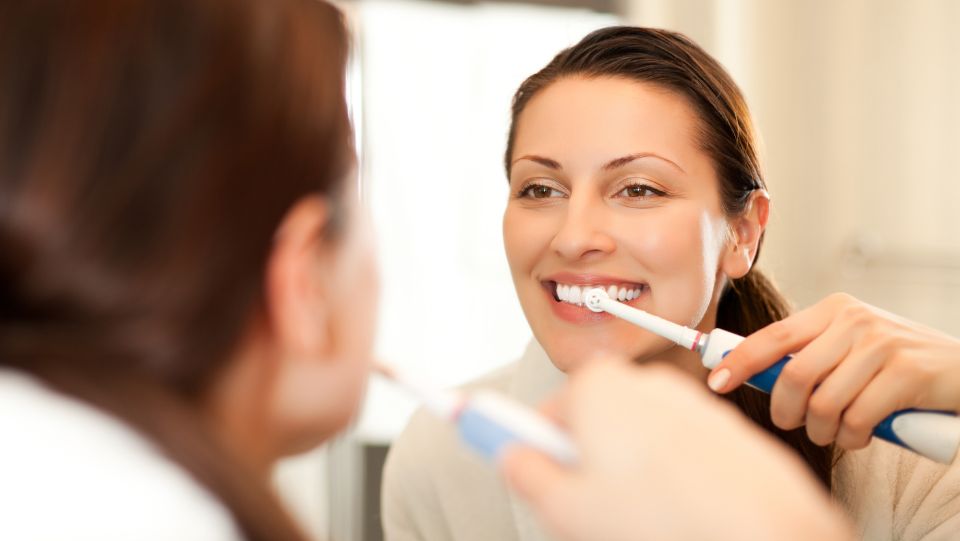
Recent scientific research has revealed a compelling connection between oral hygiene practices, particularly brushing teeth at night, and the risk of cardiovascular disease. Toothbrushing and cardiovascular disease are often related! As holistic dentists, we at Sydney Holistic Dental Centre have long advocated for the integral role of oral health in overall wellbeing. One of the simplest yet most effective habits you can adopt is brushing your teeth twice daily. This routine keeps your smile bright and plays a crucial role in preventing cavities, gum disease, and bad breath. Moreover, maintaining good oral hygiene is linked to better overall health, reducing the risk of conditions such as heart disease and diabetes. This article explores the authoritative background evidence supporting the importance of nightly toothbrushing in reducing cardiovascular disease risk. At SHDC, we strongly recommend the good-health principle of twice-daily toothbrushing as a habit to contribute to long-term wellbeing. Oral-Systemic Health Connection: Poor oral hygiene, (especially neglecting to brush teeth at night), may increase the risk of cardiovascular events due to systemic inflammation. Periodontal Disease: Inadequate oral care can lead to periodontal disease, a significant risk factor for cardiovascular disease. Nightly Toothbrushing: A study from Osaka University Hospital shows that brushing teeth at night is crucial for reducing cardiovascular disease risk. Holistic Approach: For optimal oral and cardiovascular health, nightly brushing, proper technique, flossing, and regular dental check-ups are essential. Understanding the Oral-Systemic Health Connection The relationship between oral health and cardiovascular disease is complex and multifaceted. Poor oral hygiene may increase the risk of cardiovascular events. This connection is rooted in the systemic inflammation that can arise from periodontal disease and poor oral health. Periodontal Disease: A Significant Risk Factor for Heart Health Periodontal disease, often resulting from inadequate oral care, has been identified as a risk factor for cardiovascular disease and heightens cardiovascular disease risk. The bacteria and inflammatory mediators associated with periodontal disease can enter the bloodstream, potentially affecting the heart and blood vessels. This underscores why maintaining good oral hygiene, particularly brushing teeth at night, is crucial for cardiovascular health. The Impact of Toothbrushing on Cardiovascular Disease Risk A groundbreaking study conducted at Osaka University Hospital has provided compelling evidence for the importance of nightly toothbrushing: Participants who reported brushing their teeth at night had significantly higher survival rates compared to those who did not brush at all. The estimated 10-year atherosclerotic cardiovascular disease (ASCVD) risk was markedly lower for those who brushed three or more times daily (7.3%) compared to those brushing 0-1 times daily (13.7%). These findings suggest brushing teeth at night is important for lowering cardiovascular disease risk. Remember, at SHDC, we strongly advocate twice-daily toothbrushing! The Perils of Poor Oral Hygiene on Cardiovascular Health Neglecting oral care, especially at night, can lead to a cascade of health issues: Bacterial Proliferation: Skipping nightly brushing allows bacteria to multiply, leading to plaque formation and heightening cardiovascular disease risk. Periodontal Disease Development: Consistent poor oral hygiene can result in periodontal disease, a known risk factor for cardiovascular issues. Systemic Inflammation: The inflammatory response triggered by poor oral health can contribute to atherosclerosis and other cardiovascular problems, thus heightening cardiovascular disease risk. Increased Risk of Heart Disease: Studies have shown a correlation between poor oral health and an increased risk of heart disease, including heart failure. The Holistic Approach to Oral and Cardiovascular Health At Sydney Holistic Dental Centre, we emphasise the importance of a comprehensive approach to oral care: Twice-Daily Brushing: Brushing teeth in the morning and at night before bed is crucial for removing the accumulation of bacteria and food particles. Proper Brushing Technique: Brush for at least two minutes using quality toothpaste and a soft-bristled brush. Flossing: Incorporate daily flossing to remove plaque and food particles between teeth. Regular Dental Check-ups: Professional cleanings and examinations are essential for optimal oral health. Holistic Health Considerations, including the importance of brushing at night to lower the cardiovascular disease risk: In our dental care approach, we consider factors such as diet, lifestyle, and overall health. Read our guide: Six Reasons Why Brushing and Flossing Your Teeth are Important The Importance of Toothbrushing Timing Research indicates that the timing of toothbrushing is significant: Brushing teeth at night may be more effective in reducing cardiovascular disease risk than brushing only in the morning. A study in Nature Journal found that those who brushed their teeth at night but not upon waking had better cardiovascular outcomes than those who only brushed in the morning. Beyond Cardiovascular Health: The Broader Impact of Oral Care While our focus has been on cardiovascular health, good oral hygiene practices have far-reaching effects. Perioperative Oral Care: Proper oral care can reduce postoperative complications for patients undergoing heart valve surgery. General Health: Good oral health is linked to better overall health outcomes, potentially reducing the risk of various systemic diseases. Dental Health: Regular brushing, especially at night, helps prevent dental caries and maintains the integrity of tooth enamel. Conclusion: A Call to Action for Better Oral and Cardiovascular Health The evidence is clear: brushing teeth at night is critical to maintaining good oral health and reducing the risk of cardiovascular disease. As holistic dental professionals, we urge our patients to recognise the importance of this simple yet powerful habit. By incorporating nightly toothbrushing into your routine, you’re not just caring for your teeth – you’re taking a significant step towards better heart health and overall wellbeing, preventing gum disease and lowering cardiovascular disease risk. Remember, a healthy mouth is a gateway to a healthy body. For personalised advice on optimising your oral health routine and its impact on your overall health, we invite you to schedule a consultation at Sydney Holistic Dental Centre. Let us help you achieve optimal oral and cardiovascular health through our comprehensive, holistic approach to dentistry. Frequently Asked Questions About Nightly Toothbrushing and Cardiovascular Health Q1: How does brushing your teeth at night reduce the risk of cardiovascular disease? A: Nightly toothbrushing helps remove bacteria and plaque accumulated throughout the day. This reduces the risk of periodontal disease linked to systemic inflammation. Maintaining good oral hygiene may decrease the risk of cardiovascular disease and
Top Six SHDC Holistic Health Articles In One Year!
The results are in for the forefront of holistic health insights with our spotlight on the Top Six Holistic Health Articles of 2023. In this collection, you can read educational highlights on the synergy between dental health and general health. Balancing the Nervous System: The Key to Managing Sympathetic Overload Number One for 2023 was the practical insights and actionable steps to guide readers on rebalancing their nervous system and increasing vitality. The sympathetic nervous system is responsible for the body’s “fight or flight” response and takes over in dangerous situations. The parasympathetic nervous system (PNS) is an autonomic nervous component responsible for the “rest and digest” response. Balance of these crucial systems is required to experience good health. Unfortunately, due to constant modern-day stress, many people experience an overactive nervous system, leading to digestive problems, sleep disturbances, and oral health issues. Simple lifestyle changes can help you bring balance to your nervous system and correct what is termed sympathetic overload. Read Article Screen Time Overload: How Excessive Screen Time Use is Causing Postural Stress Number Two article explores the adverse effects of excessive screen time. This raises awareness and provides practical strategies for parents and caregivers to foster healthier screen habits and promote optimal posture in children. Postural stress challenges caused by excessive screen time in children are a growing concern in today’s tech-driven world. With digital device use starting earlier and increasing with age, it is important to understand their impact on our children’s physical, emotional and oral health. Recognising these stress symptoms early can help avoid the potential long-term effects on their overall well-being and support their healthy development. Remember, too, these insights and challenges apply to all of us! The ‘digital soup’ we all live in compels us to develop a more holistic approach to reduce postural stress and maintain a healthy lifestyle. Read Article The Links Between Your Oral Health and Heart Health The third most popular is the groundbreaking article “Oral Links to Heart Health.” This gives insights into the intricate connections between oral health and cardiovascular wellbeing. Offering a comprehensive exploration of how oral hygiene directly impacts heart health. Heart disease is a silent killer that wiped out 46,946 Australians in 2012 (that’s 30% of all deaths that year). Cardiovascular disease was also the leading cause of 523,805 hospitalisations in 2011/12 and played a secondary role in a further 800,000 cases, according to the Heart Foundation. There are a variety of reasons why diseases of the heart occur, but did you know that your oral health is linked to and affects your heart health? While it may seem strange to consider how the heart’s health is connected to the mouth, at Sydney Holistic Dental Centre, this is what we are all about – the links between your oral and general health. There are a variety of reasons that the heart and mouth are interconnected. Read Article A Guide for Parents to Curb Excessive Screen Time in Children The number four article takes a deep dive into the challenges posed by screen time in the digital age, particularly for children. Offering a strategic roadmap for parents sheds light on the impacts of excessive screen time and provides tangible solutions for effective management. In the digital age, managing screen time for kids has become a critical concern for parents. Our children are growing up with screens at their fingertips. These devices are powerful tools for education and communication, but excessive use can be a double-edged sword. Overuse of digital devices can lead to postural stress, impacting children’s health, development, and brain function. We are in uncharted territory as parents, teachers, and healthcare providers. How do we navigate this digital landscape to ensure our children’s well-being? The answer lies in striking a balance. Here, we provide insights and solutions to help you effectively manage your child’s screen time. We explore the importance of promoting good posture, encouraging physical activity, and fostering face-to-face interactions. Read Article Epigenetics and the Subconscious Mind Number five ranking for 2023 is the captivating podcast episode, featuring an illuminating conversation with Dr Bruce Lipton, delving into epigenetics and subconscious mind exploration. In a very engaging conversation, Dr Bruce Lipton and Dr Ron Ehrlich discuss the evolution of our understanding of science and its impact on how we view the world. Dr Lipton, a cell biologist and author of “The Biology of Belief,” explained how the scientific materialism approach has led to a mechanistic view of the world, with medicine taking a reductionist approach to treating the human body. However, he also highlights the role of quantum physics in changing this understanding by showing that everything is connected through energy, making separation an illusion. Read Article Healthy Aging Our sixth most popular article explores healthy ageing, featuring an engaging conversation with Leslie Kenny of the Oxford Longevity Project. This podcast episode informs and inspires listeners on the keys to aging gracefully and healthily. Leslie Kenny, Founder and CEO of Oxford Healthspan, joins Dr Lewis Ehrlich in a riveting podcast discussion about the journey to healthy aging. With her company rooted in Oxford research, Leslie reveals how natural compounds can slow down the effects of ageing, bridging the gap between Eastern wisdom and Western science. Leslie and Dr Ehrlich shed light on the longevity space, offering listeners a fresh perspective on embracing age gracefully. Read Article The top six insightful articles and podcasts are curated as a guide for our readers and patients during their pursuit of a healthier, more balanced life. Armed with practical insights, actionable steps, and a deeper understanding of the interplay between dental health and overall vitality. We look forward to sharing further insights and practical information on holistic and oral health in the year ahead.
Understanding Sleep Apnea and How Holistic Dentistry Can Support Treatment

Are you constantly feeling exhausted, even after a full night’s sleep? Do you wake up with a dry mouth, headache, or gasping for air? If so, you may be one of the millions worldwide affected by sleep apnea – a potentially serious sleep disorder that often goes undiagnosed. Symptoms: Constant exhaustion, dry mouth, headache, gasping for air. Risks: Increased risk of heart failure, untreated sleep apnea can lead to serious health issues. Holistic Treatment: Focus on underlying causes like jaw alignment and tongue positioning. Case Study: John’s treatment involved a CPAP machine and collaboration with various specialists. Understanding Sleep Apnea Sleep apnea is characterised by repeated pauses in breathing during sleep. These pauses, called apneas, can last from a few seconds to minutes and may occur dozens of times per hour. There are three main types: Obstructive Sleep Apnea (OSA) is the most common form. It is caused by a blocked or collapsed airway during sleep, often due to relaxed throat muscles. Central Sleep Apnea (CSA) occurs when the brain fails to signal the breathing muscles properly. Mixed Sleep Apnea: A combination of obstructive and central sleep apnea. Recognising the Warning Signs Sleep apnea can manifest through various symptoms, some of which may surprise you. Be on the lookout for: Loud snoring Frequent waking at night to urinate Episodes of breathing cessation during sleep Gasping for air during sleep Waking with a dry mouth or headache Difficulty staying asleep (insomnia) Daytime fatigue and difficulty concentrating Mood changes, such as irritability or depression If you or a loved one experiences these symptoms, seeking professional help is crucial. Early diagnosis and treatment can make a world of difference in managing sleep apnea and its potential health risks. The Health Risks of Untreated Sleep Apnea Ignoring sleep apnea can have serious consequences. Untreated sleep apnea increases the risk of: Comparison Table Health Risk Description High blood pressure Increased risk of hypertension Heart disease Higher likelihood of heart attacks and other cardiovascular issues Stroke Increased risk of stroke Diabetes Greater chance of developing type 2 diabetes Depression Higher risk of mental health issues, including depression In fact, a study published in the European Respiratory Journal found that severe sleep apnea was associated with a 2.7 times higher risk of developing heart failure. The Holistic Dentistry Approach to Sleep Apnea At Sydney Holistic Dental Centre, we take a comprehensive approach to treating sleep apnea, focusing not only on the symptoms but also on the underlying causes of the condition. This method contrasts with traditional treatments that may address only the immediate symptoms using devices like CPAP machines or mandibular advancement devices (MADs). Underlying Causes and Holistic Interventions Our holistic dentists aim to identify and treat the root causes of sleep apnea, which often include issues with jaw alignment, tongue positioning, and overall oral health. For instance, retrognathia (poor jaw alignment) and high tongue positioning can obstruct the airway during sleep. We may use treatments like mandibular advancement devices to reposition the jaw and alleviate these obstructions. Comprehensive Treatment Options In addition to addressing the underlying causes, we employ a variety of other treatment modalities to address sleep apnea, including: Orofacial Myofunctional Therapy: This therapy focuses on the mouth and face muscles, aiming to improve their tone and function, which can help keep the airways open during sleep. Lifestyle and Environmental Changes: We may recommend weight management, regular exercise, altering sleep positions, and using a humidifier to ease breathing at night. Benefits of a Holistic Approach The holistic approach to sleep apnea offers key benefits: Addressing the Whole System: Our holistic dentists aim to improve overall health, enhancing sleep apnea treatment’s effectiveness by looking at the entire body and its systems. Customised Treatments: We consider individual differences in lifestyle and health, allowing for more personalised treatment plans. The SomnoMed Device: Potential Support for Sleep Apnea The SomnoMed device may offer some patients a more comfortable and convenient alternative to traditional CPAP machines. This custom-fitted oral appliance works by gently repositioning the lower jaw during sleep, preventing airway obstruction and facilitating uninterrupted breathing. Your dentist will consider what the best support is for you, which may depend on the severity of your symptoms. The SomnoMed device is compact, discreet, and comfortable, enhancing compliance and ease of use. If suitable, it can address the underlying causes of sleep apnea, alleviating symptoms and reducing the risk of associated health complications. Patient Case Study: A Success Story with Dr Lewis A male patient, John, recently visited SHDC to see Dr Lewis Ehrlich. Based on his neck circumference, weight, and unusual jaw positioning, initial observations suggested a sleep disorder. Dr Lewis conducted a detailed medical history and a panoramic dental X-ray. The medical history revealed a history of heart disease and signs of carotid calcification. Dr Lewis then referred John to a cardiologist, who confirmed the heart problems, and a sleep physician, who confirmed severe sleep apnea. Dr Lewis collaborated with a general practitioner and the cardiologist to develop a comprehensive treatment plan for John’s sleep apnea and other sleep problems. John was prescribed a CPAP machine, which effectively opened his airways, resulting in better sleep quality and reduced cardiac risk. This case study highlights the importance of a holistic approach to sleep apnea treatment, addressing oral health and overall wellbeing. Key Takeaways Understanding the Significance of Quality Sleep: Sleep plays a crucial role in maintaining overall health and well-being. It allows the body to undergo essential repair processes and ensures optimal brain function. Recognising the Symptoms and Risks of Sleep Apnea: Awareness of the signs of sleep apnea, such as loud snoring and waking up gasping for air, is essential for early detection and intervention. Untreated sleep apnea can lead to serious health issues, including cardiovascular problems, obesity, and mental health disorders. The Vital Role of Dental Professionals in Sleep Apnea Treatment: Dentists play a pivotal role in identifying and addressing sleep apnea through comprehensive oral examinations. By collaborating with sleep specialists, they can tailor personalised treatment plans, potentially saving patients from the detrimental health consequences of untreated sleep apnea. Exploring

