
Understanding Low Saliva Acidity

Understanding Salivary Acidity: The Cornerstone of Oral Health Saliva plays a crucial role in maintaining oral health. It helps to moisten the mouth for comfort, lubricate our food as we chew, wash away food particles, neutralise harmful acids and maintain a balanced oral microbiome. Saliva’s RoleSaliva helps neutralise acids, protect teeth from decay, and maintain oral health. Causes of Low AcidityDiet, medications, and certain health conditions can reduce saliva acidity, impacting oral health. Symptoms to WatchA dry mouth, bad breath, and increased cavities can indicate low saliva acidity. Improving Saliva AcidityStaying hydrated, chewing sugar-free gum, and avoiding acidic foods can help maintain healthy saliva levels. When saliva’s pH becomes too acidic, it can lead to oral health problems: Enamel Erosion: Acidic saliva can gradually erode tooth enamel, the protective outer layer of your teeth. This makes teeth more vulnerable to decay, sensitivity, tooth wear and enamel discolouration. Tooth Decay and Cavities: An acidic oral environment promotes the growth of cavity-causing bacteria, accelerating tooth decay. Halitosis (Bad Breath): The acidic environment can foster bacterial growth, leading to persistent bad breath. Tooth Sensitivity: As enamel erodes, it exposes the underlying dentin, leading to increased sensitivity to hot, cold or sweet stimuli. Increased Risk of Oral Infections: An acidic environment can disrupt the balance of oral bacteria, potentially increasing the risk of oral infections. Causes of Increased Salivary Acidity Diet: Foods and beverages can significantly impact oral pH. Acidic items such as citrus fruits, tomatoes, coffee, and carbonated drinks can lower the pH in your mouth, contributing to increased salivary acidity. Gastroesophageal Reflux Disease (GERD) is a chronic condition in which stomach acid flows back into the oesophagus and mouth. This regurgitation of acidic content can dramatically increase oral acidity. Medications: Certain medications, including some chemotherapy drugs, antihistamines, and antidepressants, can alter salivary composition and pH balance. Dry Mouth (Xerostomia): Saliva is vital in neutralising acids. When saliva production decreases, the oral environment can become more acidic. Hormonal Changes: Fluctuations in hormone levels, such as during pregnancy or menopause, can affect oral pH balance. Stress and Anxiety: High-stress levels can change saliva production and composition, potentially contributing to increased acidity. Idiopathic: condition with unknown cause Holistic Management of Salivary Acidity At Sydney Holistic Dental Centre, we believe in addressing oral health issues from a whole-body perspective. Here are some of the aspects of a comprehensive approach to managing salivary acidity: Dietary Adjustments: Limit consumption of acidic foods and beverages. Incorporate alkaline foods such as lima beans, soybeans, sesame seeds, and navy beans. Consider using a straw when drinking acidic beverages, e.g. Kombucha, to minimise contact with teeth. Hydration: Proper hydration is crucial for maintaining optimal oral health. Aim to drink at least eight glasses of water daily. Consume hydrating foods like cucumber, watermelon, and celery. Oral Hygiene: Brush teeth at least twice daily with a soft-bristled toothbrush and quality toothpaste. Floss daily to remove food particles and plaque between teeth. Use a tongue scraper to remove bacteria from the tongue surface. Discuss with your dentist using an alkaline mouthwash, such as a bicarbonate mouth rinse, to help neutralise acids (more information below). Addressing GERD: If GERD is a contributing factor, management is crucial; work with a healthcare provider to manage GERD symptoms effectively. Eat smaller, more frequent meals to reduce stomach acid production. Avoid lying down immediately after eating. Elevate the head of your bed to prevent nighttime reflux. Stress Management: Chronic stress can impact oral health in numerous ways: Practice relaxation techniques such as meditation or deep breathing exercises. Engage in regular physical activity. Ensure adequate quality sleep to help manage stress levels. Regular Dental Check-ups: Regular visits to Sydney Holistic Dental Centre allow us to monitor your oral health and address arising issues promptly: Schedule bi-annual check-ups and professional cleanings. Discuss any concerns with your dentist or Oral Health Therapist (OHT). Adequate hydration isn’t just about quenching thirst. It’s key to maintaining optimal oral pH balance and general health. Water helps stimulate saliva production, naturally cleansing the mouth and neutralising acids. Dr Yin Yin Teoh Specific Foods and Practices to Combat Low Saliva Acidity Certain foods and practices can help neutralise acids and promote oral health: All-natural sugar-free Gum and Mints: Stimulate saliva production to help neutralise acids. Alkaline Foods: To help balance oral pH, incorporate vegetables, fruit, nuts, and legumes such as beets, broccoli, mushrooms, peas, apples, cherries, pineapple, almonds, and pumpkin seeds. Probiotic-rich Foods: Yoghurt, kefir, sauerkraut, and other probiotic-rich foods can help maintain a healthy oral microbiome. Green Tea: Rich in polyphenols, green tea can help reduce bacterial growth and freshen your breath. Crunchy Fruits and Vegetables: Apples, carrots, and celery can help mechanically clean teeth and stimulate saliva production. Bicarbonate Mouth Rinse This simple, inexpensive, and effective mouth rinse can be readily made at home. Mix one cup of warm water with one teaspoon of bicarbonate of soda. This rinse can be premade; however, shake the bottle before each use. Benefits of Bicarbonate mouth rinse: pH Balance: It helps neutralise acids in the mouth, reducing the risk of tooth decay and enamel erosion. Whitening Effect: Bicarbonate has mild abrasive properties that can help remove surface stains on teeth, leading to a brighter smile. Fresh Breath: It can help eliminate odours and freshen breath by neutralising volatile compounds produced by bacteria. Gum Health: Its antibacterial properties may help reduce plaque buildup and promote healthier gums. Soothing Properties: Bicarbonate can help soothe minor irritations in the mouth, such as mouth ulcers or gum inflammation. Conclusion: Embracing a Holistic Approach to Oral Health Your mouth is the gateway to your body’s health. Taking care of your oral health is an investment in your overall wellbeing. At Sydney Holistic Dental Centre, we’re committed to helping you achieve optimal oral health through our comprehensive, patient-centred approach. Take the first step towards a healthier, more balanced oral environment today and book an appointment at Sydney Holistic Dental Centre. Let’s work together towards a healthier, happier you! References: Journal of Dental Research: Socransky, S. S., & Haffajee, A. D. (2005). Periodontal microbial ecology. Periodontology 2000, 38(1), 135-187. [PubMed: 15853940] Discusses the microbiology of periodontal disease, which can be linked to poor
Do Dental Implants Need to Be Replaced? Understanding Their Longevity

Dental implants are often considered a permanent solution for missing teeth, but how long do dental implants last? Are teeth implants truly forever, or will a dental implant replacement be required? Here, we consider the lifespan of dental implants and how to ensure they last as long as possible. Longevity: Dental implants can last many years with proper care, though crowns can sometimes need replacement. Factors: Oral hygiene, overall health, and the dentist’s skill influence implant longevity. Signs of Issues: Pain, swelling, difficulty chewing, or looseness may indicate the need for implant attention. Holistic Care: A comprehensive approach considering overall health and lifestyle can optimise implant success. How Long Do Dental Implants Last? Dental implants are designed to be a long-term solution and can last many years with proper care. Their longevity depends on various factors, including oral hygiene, overall health, and the skill of the implant dentist. Are Dental Implants Permanent? While dental implants are intended to be a permanent tooth replacement option, it’s important to understand that some components may need replacing over time. The implant, usually made from titanium or zirconia, can last a lifetime if properly cared for. However, the crown (the visible part of the implant) may need to be replaced due to normal wear and tear and other lifestyle factors. Factors Affecting How Long Dental Implants Last Several factors influence the longevity of your dental implants: Oral hygiene practices Overall health and lifestyle choices The skill of the implant dentist The quality of materials used Location of the implant in the mouth Signs That Your Dental Implants Need to Be Replaced are some signs that your dental implants may need attention or replacement: Pain or discomfort Swelling or inflammation Difficulty chewing Looseness of the implant or crown Visible damage to the crown If you experience any of these symptoms, it’s crucial to consult your implant dentist promptly. Early intervention can often prevent minor issues from becoming major problems and reduce the risk of implant failure. A Holistic Approach to Dental Implant Replacements At Sydney Holistic Dental Centre, we believe in taking a comprehensive approach to dental care, including dental implant replacements. Dr Lewis Ehrlich, one of our senior dentists, emphasises the importance of considering the whole person when it comes to dental implants: “When we approach dental implant replacements, we’re not just looking at the tooth or the implant in isolation. We consider the patient’s overall health, lifestyle, nutrition, and even factors like sleep quality and stress levels. This holistic perspective allows us to optimise the implant’s longevity and ensure it contributes positively to the patient’s overall wellbeing. It’s not just about replacing a tooth; it’s about enhancing the patient’s quality of life through comprehensive oral care.” Dr Lewis Ehrlich Dr Ehrlich’s approach reflects the SHDC philosophy of integrating oral health with general health. By considering factors beyond the mouth, such as sleeping, breathing, posture, and nutrition, we aim to create an environment where dental implants can thrive and contribute to overall health and wellness. Caring for Dental Implants: Ensuring Long-Term Success Proper care is vital for extending the life of your dental implants. Here are some essential practices: Brush twice daily with a soft-bristled toothbrush Floss daily, paying extra attention around the implant Use an interdental brush for hard-to-reach areas Rinse with an alcohol-free antimicrobial mouthwash Attend regular dental checkups Your implant dentist will provide specific instructions on caring for your dental implants, which may differ slightly from how you care for natural teeth. Advantages of Dental Implants Over Other Tooth Replacement Options Dental implants offer several benefits compared to alternatives like dental bridges or dentures: Longevity: With proper care, implants can last much longer than other options. Natural look and feel: Implants closely mimic natural teeth in appearance and function. Bone preservation: Implants help maintain jawbone density. No impact on adjacent teeth: Unlike dental bridges, implants don’t require altering healthy teeth. Improved oral health: Implants are easier to clean than bridges or dentures. The Dental Implant Procedure: What to Expect Understanding the dental implant procedure can help you prepare for the process: Initial consultation and planning Implant placement surgery Healing and osseointegration (typically 3-6 months) Placement of the abutment and attachment of the final crown The entire process, from implant placement to final restoration, can take several months, resulting in a durable, long-lasting tooth replacement. Conclusion: The Long-term Value of Dental Implants Dental implants are often worth the investment for many patients, considering their longevity, natural appearance, and functionality. While they may have a higher upfront cost than other tooth replacement options, their durability and low maintenance requirements can make them more cost-effective in the long run. Remember, the lifespan of your dental implants largely depends on how well you care for them. With proper oral hygiene and regular dental check-ups, your implants can provide a lifetime of confident smiles and improved oral health. Frequently Asked Questions About Dental Implants 1. How often do dental implants need to be replaced? With proper care, the implant (the part placed in the jawbone) can last a lifetime. However, the crown may need replacement due to normal wear and tear and lifestyle factors. 2. What is the success rate of dental implants? Dental implants have a high success rate, typically around 95-98%. However, success can vary depending on factors like oral hygiene, overall health, and the location of the implant in the mouth. 3. Can dental implants fail? While rare, dental implant failure can occur. Common causes include infection, poor oral hygiene, smoking, and certain medical conditions. Early detection and treatment of any issues can help prevent implant failure. 4. Are dental implants safe? Dental implants are considered safe and effective for most patients. They’ve been used for decades and are made from biocompatible materials. However, as with any surgical procedure, there are some risks which your dentist will discuss with you. 5. How do I know if I’m a good candidate for dental implants? Good candidates typically have healthy gums, adequate bone density to support the implant, and good overall health. Your
The Critical Link Between Regular Toothbrushing and Cardiovascular Disease Risk
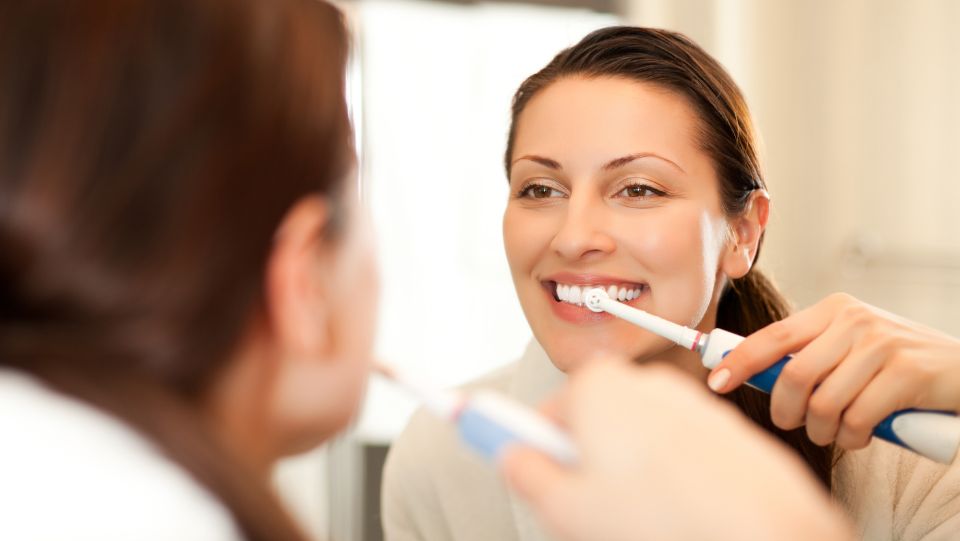
Recent scientific research has revealed a compelling connection between oral hygiene practices, particularly brushing teeth at night, and the risk of cardiovascular disease. Toothbrushing and cardiovascular disease are often related! As holistic dentists, we at Sydney Holistic Dental Centre have long advocated for the integral role of oral health in overall wellbeing. One of the simplest yet most effective habits you can adopt is brushing your teeth twice daily. This routine keeps your smile bright and plays a crucial role in preventing cavities, gum disease, and bad breath. Moreover, maintaining good oral hygiene is linked to better overall health, reducing the risk of conditions such as heart disease and diabetes. This article explores the authoritative background evidence supporting the importance of nightly toothbrushing in reducing cardiovascular disease risk. At SHDC, we strongly recommend the good-health principle of twice-daily toothbrushing as a habit to contribute to long-term wellbeing. Oral-Systemic Health Connection: Poor oral hygiene, (especially neglecting to brush teeth at night), may increase the risk of cardiovascular events due to systemic inflammation. Periodontal Disease: Inadequate oral care can lead to periodontal disease, a significant risk factor for cardiovascular disease. Nightly Toothbrushing: A study from Osaka University Hospital shows that brushing teeth at night is crucial for reducing cardiovascular disease risk. Holistic Approach: For optimal oral and cardiovascular health, nightly brushing, proper technique, flossing, and regular dental check-ups are essential. Understanding the Oral-Systemic Health Connection The relationship between oral health and cardiovascular disease is complex and multifaceted. Poor oral hygiene may increase the risk of cardiovascular events. This connection is rooted in the systemic inflammation that can arise from periodontal disease and poor oral health. Periodontal Disease: A Significant Risk Factor for Heart Health Periodontal disease, often resulting from inadequate oral care, has been identified as a risk factor for cardiovascular disease and heightens cardiovascular disease risk. The bacteria and inflammatory mediators associated with periodontal disease can enter the bloodstream, potentially affecting the heart and blood vessels. This underscores why maintaining good oral hygiene, particularly brushing teeth at night, is crucial for cardiovascular health. The Impact of Toothbrushing on Cardiovascular Disease Risk A groundbreaking study conducted at Osaka University Hospital has provided compelling evidence for the importance of nightly toothbrushing: Participants who reported brushing their teeth at night had significantly higher survival rates compared to those who did not brush at all. The estimated 10-year atherosclerotic cardiovascular disease (ASCVD) risk was markedly lower for those who brushed three or more times daily (7.3%) compared to those brushing 0-1 times daily (13.7%). These findings suggest brushing teeth at night is important for lowering cardiovascular disease risk. Remember, at SHDC, we strongly advocate twice-daily toothbrushing! The Perils of Poor Oral Hygiene on Cardiovascular Health Neglecting oral care, especially at night, can lead to a cascade of health issues: Bacterial Proliferation: Skipping nightly brushing allows bacteria to multiply, leading to plaque formation and heightening cardiovascular disease risk. Periodontal Disease Development: Consistent poor oral hygiene can result in periodontal disease, a known risk factor for cardiovascular issues. Systemic Inflammation: The inflammatory response triggered by poor oral health can contribute to atherosclerosis and other cardiovascular problems, thus heightening cardiovascular disease risk. Increased Risk of Heart Disease: Studies have shown a correlation between poor oral health and an increased risk of heart disease, including heart failure. The Holistic Approach to Oral and Cardiovascular Health At Sydney Holistic Dental Centre, we emphasise the importance of a comprehensive approach to oral care: Twice-Daily Brushing: Brushing teeth in the morning and at night before bed is crucial for removing the accumulation of bacteria and food particles. Proper Brushing Technique: Brush for at least two minutes using quality toothpaste and a soft-bristled brush. Flossing: Incorporate daily flossing to remove plaque and food particles between teeth. Regular Dental Check-ups: Professional cleanings and examinations are essential for optimal oral health. Holistic Health Considerations, including the importance of brushing at night to lower the cardiovascular disease risk: In our dental care approach, we consider factors such as diet, lifestyle, and overall health. Read our guide: Six Reasons Why Brushing and Flossing Your Teeth are Important The Importance of Toothbrushing Timing Research indicates that the timing of toothbrushing is significant: Brushing teeth at night may be more effective in reducing cardiovascular disease risk than brushing only in the morning. A study in Nature Journal found that those who brushed their teeth at night but not upon waking had better cardiovascular outcomes than those who only brushed in the morning. Beyond Cardiovascular Health: The Broader Impact of Oral Care While our focus has been on cardiovascular health, good oral hygiene practices have far-reaching effects. Perioperative Oral Care: Proper oral care can reduce postoperative complications for patients undergoing heart valve surgery. General Health: Good oral health is linked to better overall health outcomes, potentially reducing the risk of various systemic diseases. Dental Health: Regular brushing, especially at night, helps prevent dental caries and maintains the integrity of tooth enamel. Conclusion: A Call to Action for Better Oral and Cardiovascular Health The evidence is clear: brushing teeth at night is critical to maintaining good oral health and reducing the risk of cardiovascular disease. As holistic dental professionals, we urge our patients to recognise the importance of this simple yet powerful habit. By incorporating nightly toothbrushing into your routine, you’re not just caring for your teeth – you’re taking a significant step towards better heart health and overall wellbeing, preventing gum disease and lowering cardiovascular disease risk. Remember, a healthy mouth is a gateway to a healthy body. For personalised advice on optimising your oral health routine and its impact on your overall health, we invite you to schedule a consultation at Sydney Holistic Dental Centre. Let us help you achieve optimal oral and cardiovascular health through our comprehensive, holistic approach to dentistry. Frequently Asked Questions About Nightly Toothbrushing and Cardiovascular Health Q1: How does brushing your teeth at night reduce the risk of cardiovascular disease? A: Nightly toothbrushing helps remove bacteria and plaque accumulated throughout the day. This reduces the risk of periodontal disease linked to systemic inflammation. Maintaining good oral hygiene may decrease the risk of cardiovascular disease and
Recipe: Winter Vegetable Curry

Avoiding the dreaded flu or cold and feeling good is usually a top health priority during winter. This winter vegetable curry is not only packed with flavour but is full with all the essentials to fight off disease and feel good. This warm curry is packed with vegetables which are full of vitamins and minerals important for good health. In addition the turmeric used in the curry is an anti-inflammatory and aids conditions such as arthritis, asthma, eczema and bowel disease. It is also rich in manganese, zinc, B group vitamins and iron, all important for fighting disease. The ginger is also a powerful antioxidant with antimicrobial properties, important for fighting infection and boosting immune function. This curry is easy and can be adapted to include whatever veggies you have available or prefer. Ingredients 1.5kg of winter vegetables – this could include broccoli, cauliflower, potatoes, silver beet, carrots, parsnips, pumpkin, etc. 2 tablespoons of coconut oil 1 onion chopped 2 garlic cloves, smashed 1 bunch coriander (stalks and leaves chopped separately) thumb size of grated ginger 1 tsp ground turmeric 1/2 tsp cinnamon 400ml coconut milk 1 cup of stock (vegetable or chicken or water if neither are available) curry leaves optional salt and pepper to taste Instructions Cut the vegetables into bite size pieces. Heat the oil in a pot over medium heat, add the onions and stir until slightly golden and soft. Add the ginger, garlic, coriander stalks, cinnamon and turmeric and cook for 1 minute. Add the vegetables, coconut milk, curry leaves (optional) and stock/water. Cover the pot and reduce the heat so there is a low simmer. The curry is ready when the vegetables are soft. Season with salt and pepper to taste. Tip: Why stop at turmeric and cinnamon? In Ayurvedic medicine spices are used not only for their taste but powerful medicinal properties. Get creative and boost your curry with a whole range of spices for flavour and antioxidants.
Sour Mouth: A Comprehensive Guide to Causes, Effects, and Holistic Solutions

Have you ever woken up with an unpleasant, sour taste in your mouth? If so, you’re not alone. At Sydney Holistic Dental Centre, patients often complain about this uncomfortable sensation. But what causes it, and more importantly, how can we address it? Here, we explain oral acidity and discover how it impacts overall health. Causes of Sour Mouth: Diet, GERD, medications, dry mouth, hormonal changes, stress. Impact on Oral Health: Enamel erosion, tooth decay, bad breath, sensitivity, infections. Holistic Management: Dietary adjustments, hydration, oral hygiene, GERD management, stress management. When to Seek Help: Persistent sour taste, heartburn, difficulty swallowing, tooth changes, sensitivity. A sour taste in the mouth is more than an annoyance. It’s often a sign of an underlying issue that can have significant implications for oral and general health.” Dr Yin Yin Teoh Understanding Salivary Acidity: The Cornerstone of Oral Health Saliva plays a crucial role in maintaining oral health. It helps neutralise acids, wash away food particles, and maintain a balanced oral microbiome. When saliva’s pH becomes too acidic, it can lead to oral health problems, including a persistent sour taste. Causes of Increased Salivary Acidity Diet: Foods and beverages can significantly impact oral pH. Acidic items such as citrus fruits, tomatoes, coffee, and carbonated drinks can lower the pH in your mouth, contributing to increased salivary acidity. Gastroesophageal Reflux Disease (GERD) is a chronic condition in which stomach acid flows back into the esophagus and mouth. This regurgitation of acidic content can dramatically increase oral acidity. Medications: Certain medications, including some chemotherapy drugs, antihistamines, and antidepressants, can alter salivary composition and pH balance. Dry Mouth (Xerostomia): Saliva is important in neutralising acids. When saliva production decreases, the oral environment can become more acidic. Hormonal Changes: Fluctuations in hormone levels, such as during pregnancy or menopause, can affect oral pH balance. Stress and Anxiety: High-stress levels can lead to changes in saliva production and composition, potentially contributing to increased acidity. The GERD-Dental Erosion Connection: A Closer Look Recent research has highlighted a significant link between GERD and dental erosion. Dr Teoh explains: “GERD is more than just a digestive issue. It can seriously affect oral health, particularly contributing to dental erosion. The constant exposure of teeth to stomach acid can lead to significant enamel loss over time.” A study on the “Association of Gastroesophageal Reflux Disease With Dental Erosion” provides crucial insights: GERD involves the continuous leakage of acid-containing contents from the stomach into the esophagus. Dental erosion (DE) is defined as tooth surface loss due to acids, including stomach acid. Gastric acids are extremely potent and can cause substantial damage to tooth enamel. The interaction of gastric juice, pepsin, and acid can significantly erode dental hard tissues. The Impact on Oral Health: Beyond the Sour Taste Increased salivary acidity doesn’t just leave an unpleasant taste in your mouth. Its effects can be far-reaching: Enamel Erosion: Acidic saliva can gradually erode tooth enamel, the protective outer layer of your teeth. This makes teeth more vulnerable to decay, sensitivity and enamel discolouration. Tooth Decay and Cavities: An acidic oral environment promotes the growth of cavity-causing bacteria, accelerating tooth decay. Halitosis (Bad Breath): The acidic environment can foster bacterial growth, leading to persistent bad breath. Tooth Sensitivity: As enamel erodes, it exposes the underlying dentin, leading to increased sensitivity to hot, cold, or sweet stimuli. Increased Risk of Oral Infections: An acidic environment can disrupt the balance of oral bacteria, potentially increasing the risk of oral infections. Holistic Management of Salivary Acidity At Sydney Holistic Dental Centre, we believe in addressing oral health issues from a whole-body perspective. Here are some of the aspects of a comprehensive approach to managing salivary acidity: Dietary Adjustments: Limit consumption of acidic foods and beverages. Incorporate alkaline foods such as lima beans, soybeans, sesame seeds, and navy beans. Consider using a straw when drinking acidic beverages to minimise contact with teeth. Hydration: Proper hydration is crucial for maintaining optimal oral health. Aim to drink at least eight glasses of water daily. Consume hydrating foods like cucumber, watermelon, and celery. Consult your dentist about using a pH-balanced mouthwash to help neutralise acids. Oral Hygiene: Brush teeth at least twice daily with a soft-bristled toothbrush and quality toothpaste. Floss daily to remove food particles and plaque between teeth. Use a tongue scraper to remove bacteria from the tongue surface. Discuss with your dentist using an alkaline mouthwash to help neutralise acids. Addressing GERD: If GERD is a contributing factor, management is crucial; work with a healthcare provider to manage GERD symptoms effectively. Eat smaller, more frequent meals to reduce stomach acid production. Avoid lying down immediately after eating. Elevate the head of your bed to prevent nighttime reflux. Stress Management: Chronic stress can impact oral health in numerous ways: Practice relaxation techniques such as meditation or deep breathing exercises. Engage in regular physical activity. Ensure adequate sleep to help manage stress levels. Regular Dental Check-ups: Regular visits to Sydney Holistic Dental Centre allow us to monitor your oral health and address issues promptly: Schedule bi-annual check-ups and professional cleanings. Discuss any persistent sour taste or other oral health concerns with your dentist. Adequate hydration isn’t just about quenching thirst. It’s key to maintaining optimal oral pH balance. Water helps stimulate saliva production, naturally cleansing the mouth and neutralising acids. Dr Yin Yin Teoh Specific Foods and Practices to Combat Sour Mouth Certain foods and practices can help neutralise acids and promote oral health: All-natural sugar-free Gum and Mints: Stimulate saliva production to help neutralise acids. Alkaline Foods: Incorporate vegetables, fruit, nuts, and legumes such as beets, broccoli, mushrooms, peas, apple, cherries, pineapple, almonds and pumpkin seeds to help balance oral pH. Probiotic-rich Foods: Yoghurt, kefir, sauerkraut, and other probiotic-rich foods can help maintain a healthy oral microbiome. Green Tea: Rich in polyphenols, green tea can help reduce bacterial growth and freshen your breath. Crunchy Fruits and Vegetables: Apples, carrots, and celery can help mechanically clean teeth and stimulate saliva production. Herbs and Spices: Parsley, mint, cinnamon, and fennel seeds can help mask sour tastes and freshen breath. When to Seek Professional Help While these strategies can help
Screen Time Overload: How Excessive Screen Time Use by Children is Causing Postural Stress

Postural stress challenges caused by excessive screen time in children are a growing concern in today’s tech-driven world. With the use of digital devices starting earlier and increasing with age, it is important to understand their impact on our children’s physical, emotional and oral health. Recognising these stress symptoms early can help avoid the potential long-term effects on their overall well-being and support their healthy development. Remember too, these insights and challenges apply to all of us! The ‘digital soup’ we all live in compels us to develop a more holistic approach to reduce postural stress and maintain a healthy lifestyle. Mobile devices specifically contribute to poor posture, especially with prolonged use. Parents, teachers and health practitioners need to know the strategies for reducing postural stress caused by excessive screen time. Emphasising the importance of good posture and regular physical activity are essential components for maintaining optimal health. Excessive Screen Time in Children Contributes to Postural Health Issues Research has shown poor posture can contribute to various physical health issues, such as: Musculoskeletal pain (e.g., neck pain, back pain) Poor alignment of the spine Joint stress Decreased lung capacity and reduced breathing efficiency Digestive issues Signs of Poor Posture Due to Excessive Screen Time in Children (and Adults too!) Parents and health practitioners should be mindful of potential signs of poor posture when evaluating a kid’s stance, even though such indications may not always be simple to identify. These include: Slouching or hunching over while using a device Forward head position (FHP) (head jutting forward) Rounded shoulders Crossed legs while sitting for extended periods Tilting the head to one side when looking at a screen Read our companion article: Taming the Digital Beast: A Guide for Parents to Curb Excessive Screentime in Children Other general signs may be: Musculoskeletal problems: Prolonged periods spent in poor postures can lead to muscle imbalances that increase tension around joints resulting in chronic pain conditions such as tension headaches or backaches. Spinal issues: Poor posture can cause spinal misalignments, which may lead to conditions like scoliosis or kyphosis if left unaddressed. Breathing difficulties: Rounded shoulders and a forward head position can restrict the diaphragm’s movement, leading to shallow breathing and reduced oxygen intake. Digestive problems: Slouching while using mobile devices can compress internal organs, potentially causing digestive issues such as acid reflux or constipation. If you notice any of these signs in your child, they may be experiencing postural stress due to excessive screen time. The Holistic Dentists’ Perspective on Postural Stress Excessive use of digital devices and the resulting postural stress in children can also have dental and oral health implications. Holistic dentistry looks beyond just the teeth and gums to consider how oral health is related to overall body health. When it comes to excessive screen time, there are several ways this issue can impact the oral health of children. Postural Stress and Temporomandibular Joint Disorders (TMD): The forward head posture often associated with device use can put undue stress on the neck muscles and temporomandibular joints (TMJ), leading to TMD. Symptoms of TMD can include headaches, jaw pain, and difficulty chewing. It can also lead to teeth grinding (bruxism), which over time, can wear down teeth and potentially lead to other problems like cavities and tooth loss. Oral Breathing and Malocclusion: When children hunch over screens, they are more likely to breathe through their mouths instead of their noses, which can have significant impacts on oral and overall health. Persistent mouth breathing can lead to changes in the oral cavity and facial structure, including alterations in the position of the teeth (malocclusion) and abnormal facial growth. Reduced Salivary Flow: Intense concentration on screens can also lead to a dry mouth due to decreased salivary flow. Saliva plays a vital role in maintaining oral health by washing away food particles, neutralising acids produced by bacteria, and providing disease-fighting substances throughout the mouth. Neglect of Oral Hygiene and Unhealthy Snacking: Excessive screen time can lead to neglect of oral hygiene routines and increased consumption of sugary snacks and drinks, which can lead to cavities and gum disease. Psychological Stress: Overusing digital devices can lead to psychological stress in children, which may manifest in behaviours such as teeth grinding and nail-biting, which can damage the teeth and gums over time. From a holistic dentistry perspective, reducing screen time, encouraging better posture, promoting nose-breathing, and encouraging regular physical activity have general health benefits and contribute significantly to better oral and dental health. How Excessive Screen Time Impacts Emotional and Mental Health Beyond the physical and oral health effects, excessive screen time has also been linked to negative impacts on a child’s emotional health. Studies have shown that too much screen time can contribute to: Anxiety Depression Social isolation Poor sleep quality Reduced academic performance Recognising the signs of postural stress caused by extended screen time is essential for parents to ensure physical and emotional health in children and adolescents and develop strategies for improving posture during device use. Excessive screen time can cause various physical, mental and oral health issues in children, including headaches, blurry eyes, foggy brain, eye strain, dry mouth and poor breathing, sleep issues, tantrums, and delayed emotional development and problem-solving skills. Postural Stress Can Impact Children’s Development and Brain Function Postural stress, especially from excessive screen time, can have multiple impacts on children’s development and brain function. Dopamine and Reward Systems: Dopamine is a neurotransmitter that plays a crucial role in how we feel pleasure. It’s a big part of our brain’s reward system. When children spend excessive time on digital devices, they often engage in activities such as playing video games or watching entertaining content that can cause a surge in dopamine release. Over time, this can lead to desensitisation, where the child requires more and more screen time to experience the same level of pleasure. This cycle can mimic addictive behaviour, and some researchers suggest it may contribute to attention deficit hyperactivity disorder (ADHD) and other developmental and behavioural issues. Impact on Sleep: Excessive screen time, particularly before bedtime,
Taming the Digital Beast: A Guide for Parents to Curb Excessive Screentime in Children

In the digital age, managing screen time for kids has become a critical concern for parents. Our children are growing up with screens at their fingertips. These devices serve as powerful tools for education and communication, but excessive use can be a double-edged sword. Overuse of digital devices can lead to postural stress, impacting children’s health, development, and brain function. Read our introductory article: Screentime Overload: How Excessive Screentime Use by Children is Causing Postural Stress We find ourselves in uncharted territory as parents, teachers, and healthcare providers. How do we navigate this digital landscape to ensure our children’s well-being? The answer lies in striking a balance. Here we provide insights and solutions to help you effectively manage your child’s screen time. We explore the importance of promoting good posture, encouraging physical activity, and fostering face-to-face interactions. Our dental team at SHDC believe in a holistic approach to children’s health, ensuring an equilibrium between digital activities and other vital aspects of their lives. These solutions will support you in understanding how excessive screen time can affect your child’s oral, general, and mental health. I am fascinated by how our amazing body works and our body’s ability to regenerate and repair itself, provided the right ingredients are provided to support good health Dr Yin Yin Teoh Join us as we embark on this journey to tame the digital beast and create a healthier, more balanced lifestyle for our children. And remember, these solutions apply to adolescents and adults too; we all deserve to enjoy well-being and happiness. A Parent’s Guide to Support Children’s Health in the Digital Age Various strategies can be explored and implemented to reduce postural stress in children and adolescents exposed to excessive screen time. Create a Balanced Schedule One effective strategy for managing screen time for kids is by creating a balanced schedule that includes ample breaks from screens. Encourage your child to engage in other activities such as physical exercise, hobbies, or socialising with friends. This supports better posture and also improves general health. Promote Physical Activity Incorporating regular physical activity into your child’s routine can help counteract the negative effects of excessive screen time. Encourage your child to partake in physical activities that help build strength, enhance flexibility, and boost overall health. Yoga may also be a great option to help with posture and reduce stress levels in kids. Reference. Physical Activity Guidelines by Age Comparison Table Recommendations Under 12 months 1 to 2 years 3 to 5 years 5 to 17 years Physical activity Interactive floor-based play, and at least 30 minutes of tummy time for babies per day. At least 3 hours of energetic play per day. At least 3 hours per day, with 1 hour being energetic play. At least 1 hour of moderate to vigorous activity involving mainly aerobic activities per day. Vigorous activities should be incorporated at least 3 days per week. Several hours of light activities per day. Strength At least 3 days a week. Sedentary time Do not restrain for more than 1 hour at a time. Do not restrain for more than 1 hour at a time. Do not restrain for more than 1 hour at a time. Minimise and break up long periods of sitting. Sedentary recreational screen time None. Under 2 years: None. 2 years: No more than 1 hour per day. No more than 1 hour per day. No more than 2 hours per day. Ergonomic Setup Ensure your child’s ergonomically designed workspace can significantly reduce postural stress risk. Invest in an adjustable chair and desk so they can maintain proper alignment while using their devices. Encourage them to use laptops at eye level or consider investing in a tablet stand for improved comfort. Limit Screentime: Set limits on daily screen usage to ensure your child does not exceed healthy levels of exposure. No more than two hours per day for children six years and older is ideal. Frequent Breaks: Encourage regular breaks during extended periods of device usage – ideally every 20 minutes – where they should stretch, walk around or do some light exercises to alleviate any strain caused by prolonged sitting. Posture Awareness: Teach your child the importance of maintaining good posture while using their devices. This includes sitting up straight, keeping feet flat on the floor, and positioning screens at eye level. Ergonomic Positioning: Encourage children to maintain a neutral spine when using mobile devices by holding screens at eye level instead of looking down at them. This helps prevent FHP and rounded shoulders. Sufficient Sleep Sleep is the most important part of the day. It is foundational for optimal health, providing the physical, mental and emotional energy required to get through the day. While 7-9 hours of good quality sleep is required for adults, children and adolescents need a lot more. Ensure your child is getting the right amount of sleep for their age. Comparison Table Age Group Age Range Recommended Sleep Time Toddlers 1-2 years 11-14 hours (including naps) Pre-schoolers 3-5 years 10-13 hours (including naps) Grade-schoolers 6-12 years 9-11 hours Teens 13-18 years 8-10 hours A critical part of managing screentime for kids is supporting good quality sleep and encouraging proper sleep hygiene. This includes no screens at least 1 hour before bedtime and ensuring dinner is served at least 2 hours prior. It’s also important to create a sleeping environment that is conducive to good quality sleep, with the right temperature, no audible noise, and free from household toxins. Encourage Nasal Breathing The way you breathe at night also affects your sleep quality. Mouth breathing is common in children, yet it can be harmful to their physical development as it shifts facial structures and can lead to dental stress, such as overcrowding of the mouth and crooked teeth. It can also increase dental decay by drying your mouth. If you suspect mouth breathing at night, talk to your dentist about options to support and encourage nasal breathing. A Whole Food Diet is the Best A whole food diet that includes

